Under the guidance of a mysterious man called "The Professor", a group of robbers, Tokyo, Rio, Berlin, Nairobi, Denver, Moscow, Oslo, and Helsinki, invade the Royal Mint of Spain and take hold of 67 hostages as part of their plan to print, and escape with, €2.4 billion. Raquel Murillo, a police investigator is put in charge of the case, unaware that the mastermind is closer than she could ever imagine.
Un enigmático hombre que se presenta como “el profesor” forma un equipo con 8 ladrones con el propósito de dar el mayor golpe de la historia con un atraco a la Fábrica de moneda y timbre. El equipo se instala en la fábrica secuestrando 67 rehenes y comienza a imprimir dinero. Raquel Murillo, la inspectora puesta a cargo del caso, no sabe que el cerebro detrás del atraco está más cerca de lo que se podrá imaginar.
Indonesia, being the world's fourth most populous country, is a diverse nation with more than 300 ethnic groups, over 700 languages, and a wide array of cultural practices. However, this diversity also brings a variety of social issues and cultural nuances. 1. Family and Social Structure Indonesian culture places a strong emphasis on family and social harmony. The concept of "gotong royong" (mutual assistance) is deeply ingrained, reflecting the communal and cooperative nature of Indonesian society. However, rapid urbanization and modernization have led to changes in family structures and social interactions. 2. Intimacy and Privacy The phrase "Ngapel Mesum Dirumah" suggests themes of intimacy and privacy within the home. In traditional Indonesian culture, discussions about intimacy or sexual relations are often considered taboo. However, with the influence of global media and the increasing openness of society, there has been a shift in how these topics are perceived and discussed. 3. Urbanization and Lifestyle Changes Urban areas in Indonesia have seen significant lifestyle changes, with more people moving to cities for work and education. This shift can lead to a sense of disconnection from traditional community support systems and potentially more private, individualized living conditions. The phrase might hint at the challenges of adapting to these changes, including maintaining intimacy and personal relationships in a more private setting. 4. Cultural Expression and Language The use of colloquial expressions like "Lagi Ngapel Mesum Dirumah" highlights the vibrant and dynamic nature of the Indonesian language, which absorbs influences from various cultures, including local dialects, national languages, and international languages like English. This expression and its usage could reflect a generational or regional aspect of Indonesian culture. Conclusion Without a more specific context, it's challenging to provide a detailed analysis of "Lagi Ngapel Mesum Dirumah." However, the phrase seems to touch on themes relevant to contemporary Indonesian society, including changes in family and social structures, evolving attitudes towards intimacy and privacy, and the impacts of urbanization and modernization on traditional lifestyles and cultural expressions.
Binge watching the latest season of a great TV show is everyone's guilty pleasure. But we just can’t seem to find 1 hour per week to dedicate to our Spanish studies. Now imagine a world where you could learn Spanish just by watching great Spanish TV shows. Well that’s exactly “The Binge Learning Method by Lingopie.”
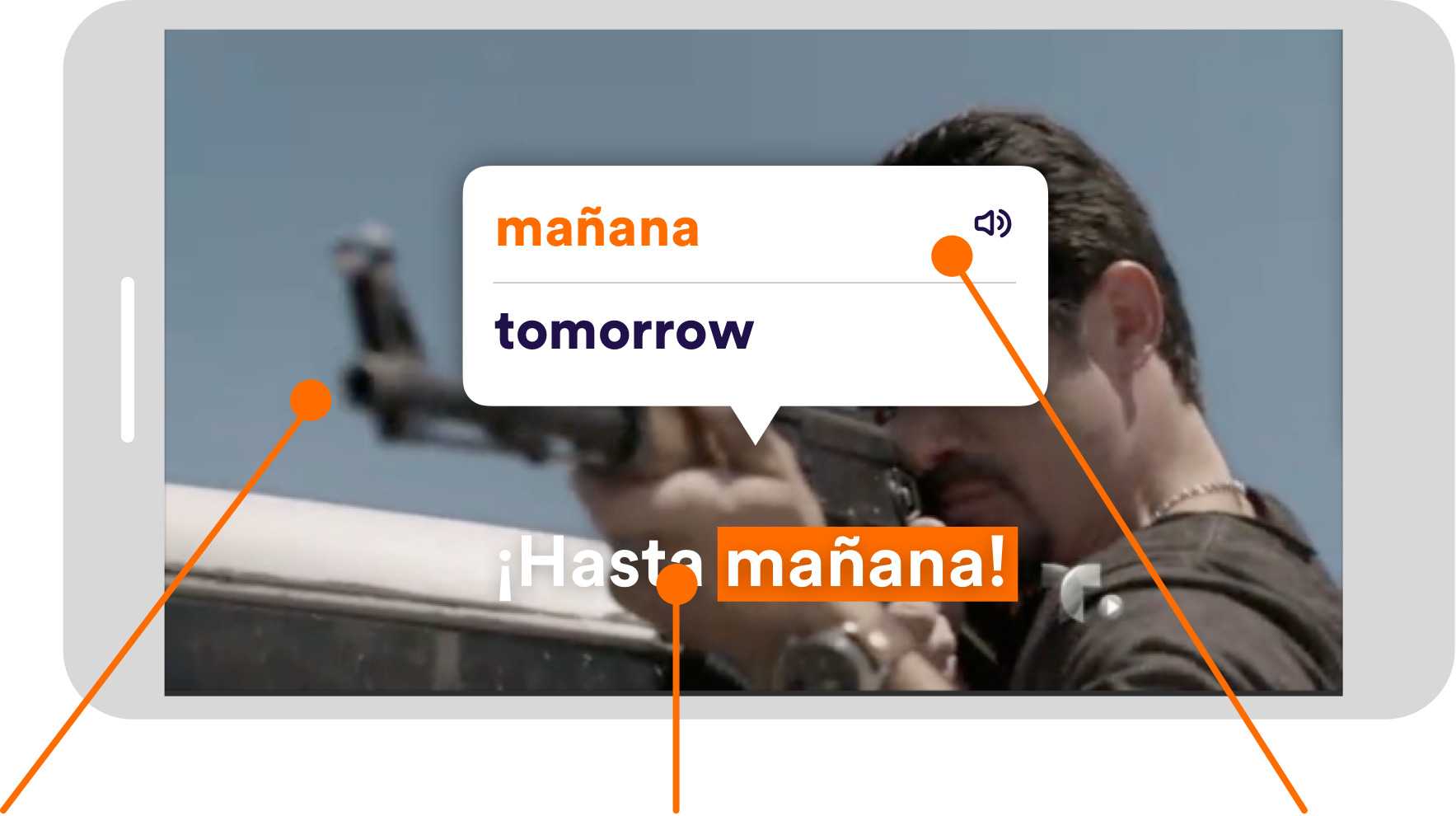
Choose a great Spanish TV show from our extensive catalog of TV Shows. Each Spanish TV show is displayed with Spanish subtitles. Start watching and when you don’t understand something, just click on that word or phrase and get an instant translation. Lingopie saves all your words and phrases so you can review them afterwards with built-in SRS language learning tools. As you binge watch from episode to episode, you’ll quickly notice that you understand more & more in record time. The more you watch, the more you learn. That’s the “Binge Learning Method.”
LingoPie makes learning addictive! Using interactive closed captions and
great foriegn contnent, learning a new language is as fun as watching TV.
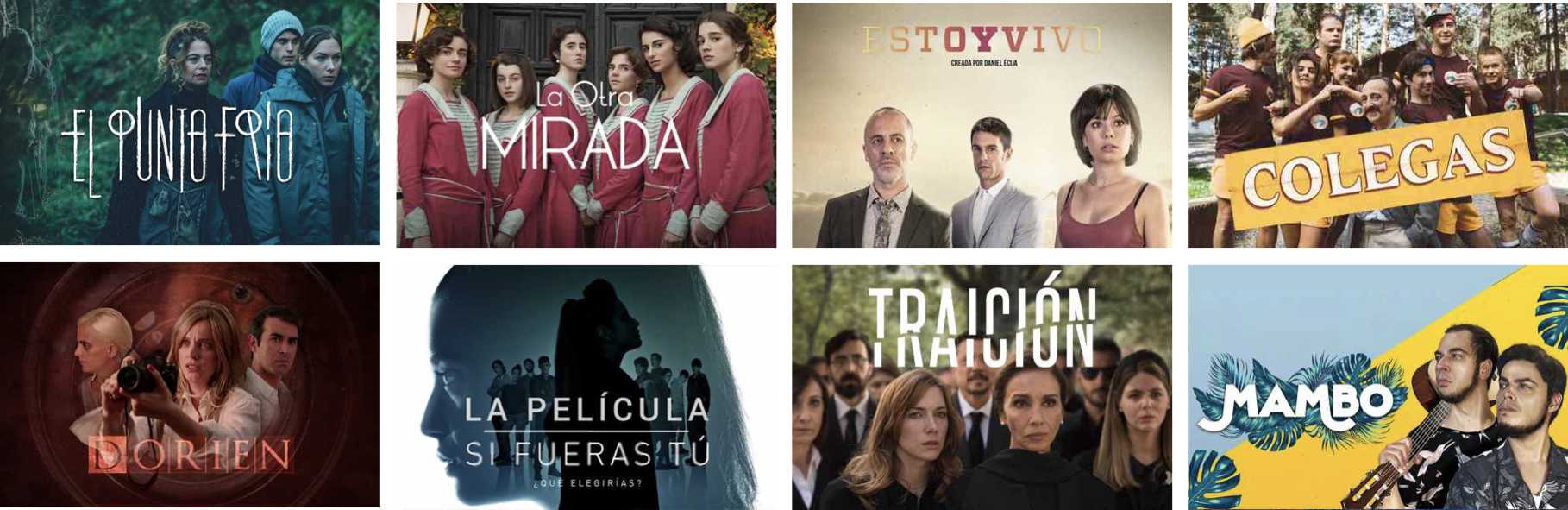

and dozens of other great shows!


Enjoy Great Shows
Highly acclaimed
Spanish TV shows

Click & Translate
Interactive, clickable,
same language captions

Learn From Context
Contextual translations,
grammar and sample sentence
Highly acclaimed Spanish TV shows.
Interactive, clickable, same
language captions
Contextual translations, grammar and
sample sentence
Indonesia, being the world's fourth most populous country, is a diverse nation with more than 300 ethnic groups, over 700 languages, and a wide array of cultural practices. However, this diversity also brings a variety of social issues and cultural nuances. 1. Family and Social Structure Indonesian culture places a strong emphasis on family and social harmony. The concept of "gotong royong" (mutual assistance) is deeply ingrained, reflecting the communal and cooperative nature of Indonesian society. However, rapid urbanization and modernization have led to changes in family structures and social interactions. 2. Intimacy and Privacy The phrase "Ngapel Mesum Dirumah" suggests themes of intimacy and privacy within the home. In traditional Indonesian culture, discussions about intimacy or sexual relations are often considered taboo. However, with the influence of global media and the increasing openness of society, there has been a shift in how these topics are perceived and discussed. 3. Urbanization and Lifestyle Changes Urban areas in Indonesia have seen significant lifestyle changes, with more people moving to cities for work and education. This shift can lead to a sense of disconnection from traditional community support systems and potentially more private, individualized living conditions. The phrase might hint at the challenges of adapting to these changes, including maintaining intimacy and personal relationships in a more private setting. 4. Cultural Expression and Language The use of colloquial expressions like "Lagi Ngapel Mesum Dirumah" highlights the vibrant and dynamic nature of the Indonesian language, which absorbs influences from various cultures, including local dialects, national languages, and international languages like English. This expression and its usage could reflect a generational or regional aspect of Indonesian culture. Conclusion Without a more specific context, it's challenging to provide a detailed analysis of "Lagi Ngapel Mesum Dirumah." However, the phrase seems to touch on themes relevant to contemporary Indonesian society, including changes in family and social structures, evolving attitudes towards intimacy and privacy, and the impacts of urbanization and modernization on traditional lifestyles and cultural expressions.

